


The job application landscape in 2025 was more competitive, data-driven, and candidate-focused than ever before. Longer hiring timelines, higher application volumes, and evolving expectations around flexibility and communication reshaped how employers and job seekers navigated the hiring process this year. As we roll into a new year it is important to have the most current data to help gain insights into what is sure to be a daunting 2026.
Summary
-
Job seekers now submit 32 to 200+ applications on average before receiving an offer, while most online applications result in a 0.1%–2% success rate, increasing competition across industries.
-
The average time-to-hire has grown to approximately 42 days, driven by additional interviews, assessments, and more deliberate hiring decisions.
-
Candidate experience is a critical differentiator, with 72% of job seekers reporting negative mental health impacts from long hiring processes and poor employer communication.
-
Employers increasingly rely on AI-powered recruiting tools and applicant tracking systems (ATS), while job postings offering remote or hybrid work consistently attract more applicants.
-
Economic shifts, skills-based hiring, and the rise of ghost job postings are influencing both job seeker behavior and employer recruitment strategies in 2025.
The job market continues to evolve rapidly as 2025 ends or by the time that you read this has ended. From growing competition and longer hiring timelines to changing candidate expectations and recruitment technology shifts, we’ve gathered the latest data from trusted sources to give you the most accurate picture of today’s job application landscape. Employers are navigating a world where application volumes are higher, candidate expectations are more complex, and hiring teams are expected to do more with less. At the same time, modern platforms like HiringThing make it easier to adapt with flexible, white label recruiting and onboarding solutions built for today’s realities.
Application Process Insights
The job application process has intensified significantly in 2025 as job seekers face steeper competition and more complex expectations. Research shows that many applicants now submit anywhere from 32 to over 200 job applications before receiving an offer, depending on industry and experience level. This increased volume reflects both the ease of online applications and the low probability of success, with only 0.1% to 2% of cold applications resulting in a job offer. Additionally, many postings now attract 100 or more applicants, creating further competition for the limited interview slots that follow. The average time-to-hire has also expanded to around 42 days, making the overall process longer and more demanding for both job seekers and employers. Employers using a modern, configurable white label applicant tracking system are better equipped to manage this volume efficiently while maintaining a positive experience for candidates.
Application Volume and Competition
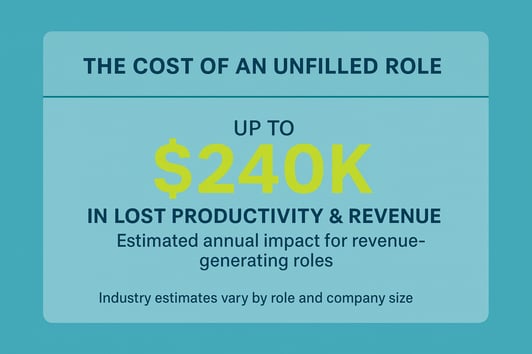
- Job seekers often need to submit 32 to 200+ applications before receiving a job offer, depending on industry and experience level).
- Only 0.1%–2% of cold online applications lead to an offer, while referral candidates are significantly more successful.
Number of Applications Per Job Posting
Many job postings now receive 100 or more applications, yet only a small percentage of applicants advance to final interview stages. This makes it more important than ever for employers to clearly define job requirements and leverage tools that help surface the most qualified candidates quickly.
Time-to-Hire Trends
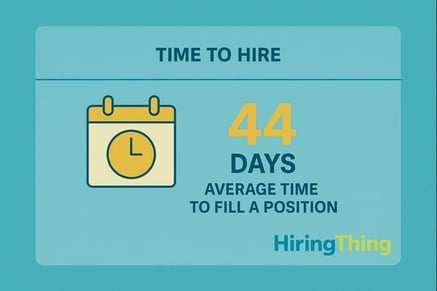
The average time-to-hire is now about 44 days, a notable increase from pre-pandemic timelines. Extended decision cycles often reflect additional interview rounds, assessments, and stakeholder input. While this can improve hiring quality, it can also increase the risk of losing top candidates to faster-moving competitors. Streamlined, automated workflows in solutions like the HiringThing Applicant Tracking System help organizations shorten time-to-hire without sacrificing rigor.
Candidate Experience Matters More Than Ever
As hiring timelines grow longer and communication gaps widen, candidate experience has become one of the most influential factors in the recruitment process. Many applicants also report never hearing back from employers after submitting resumes or even after completing interviews, a trend that significantly damages employer credibility. These frustrations have led job seekers to become more selective about which employers they trust and engage with. Platforms like HiringThing help companies automate timely communication and create more consistent candidate journeys, which directly support stronger employer brands and higher acceptance rates.
Mental Health and Job Searching
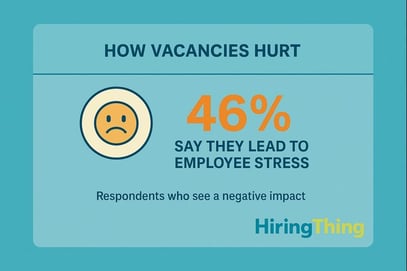
Survey data shows that 72% of job seekers say the job search negatively affects their mental health, driven largely by long hiring cycles and inconsistent employer communication. This impact can be especially pronounced for candidates in highly competitive industries or those facing prolonged unemployment. Employers that provide clear timelines, transparent expectations, and regular updates can significantly reduce this stress. Doing so not only supports candidates but also contributes to better long-term talent relationships.
Frustration Over Lack of Communication
Job seekers frequently report frustration when they do not hear back from employers, even after multiple interview rounds. Ghosting candidates can harm an organization’s reputation and reduce the likelihood that applicants will re-engage in the future. Automated messaging, status updates, and clear next steps that can be enabled by modern ATS platforms can close this gap. These improvements make it easier for hiring teams to stay organized while ensuring candidates feel respected and informed.

Employer Branding and Recruitment Trends
Recruitment strategies and employer branding have evolved rapidly, driven by technological advancements and shifting candidate expectations. Many organizations now rely heavily on AI tools for resume screening, candidate matching, and workflow automation, reflecting a major shift in how hiring teams manage volume and efficiency. Applicant Tracking Systems remain foundational to these processes, influencing how resumes are parsed and ranked. Meanwhile, job postings offering remote or hybrid work continue to outperform traditional listings, drawing significantly higher application numbers. These changes highlight the need for employers to become more intentional about how they present themselves to candidates, and many organizations are turning to flexible, branded solutions like the HiringThing white label ATS to support a consistent, high-quality recruiting experience.
AI’s Expanding Role in Hiring
AI now plays a central role in screening resumes, assessing qualifications, and automating recruiter workflows. These tools can reduce time spent on manual tasks and help teams focus on higher-value activities like relationship-building and interviewing. However, they also raise important questions around fairness, transparency, and bias mitigation. Employers must ensure they pair AI with thoughtful human oversight and clear communication about how decisions are made.
Widespread Use of ATS
The majority of employers rely on ATS technology to filter and evaluate applications, making resume formatting and keyword optimization more important than ever . Candidates who tailor their resumes to align with job descriptions and incorporate relevant keywords often see better outcomes. For employers, a configurable solution like the HiringThing ATS software helps ensure that workflows, branding, and communication are aligned with organizational goals.

Remote and Hybrid Work Continue to Shape Applications
Job seekers overwhelmingly prefer remote and hybrid opportunities, with such listings receiving substantially higher application numbers. Many workers now view flexibility as a core requirement rather than a perk. Employers that thoughtfully design remote policies and communicate them clearly in job postings have a competitive edge. Resources like the HiringThing Remote Work Hub offer guidance and insights for organizations looking to build or strengthen distributed teams.
Interview and Hiring Process Trends
Interviews have become more extensive and structured in recent years, with employers incorporating additional steps such as assessments, panel interviews, and multi-stage screenings. However, lengthy hiring processes contribute to rising candidate drop-off rates, as applicants increasingly abandon complex or time-consuming application paths. With the average time-to-hire now sitting at around 44 days, employers must balance thorough evaluation with a smooth and timely candidate experience. Using an ATS like HiringThing can help standardize interview workflows, automate scheduling, and maintain momentum with candidates.
More Interviews Per Hire
Employers are conducting more interviews per candidate than ever, often incorporating assessments or multi-stage screening processes. This broader evaluation can improve culture and role fit but can also extend the hiring timeline. Clear expectations and well-organized, technology-supported interview processes help reduce fatigue for both candidates and hiring teams.
Candidate Drop-Off
Lengthy or complicated applications remain one of the main reasons candidates abandon job applications before completion. Requiring redundant data entry, unclear instructions, or multi-step logins can quickly drive applicants away. Simplified forms, mobile-friendly experiences, and the ability to save progress are all critical to reducing abandonment. Modern platforms like HiringThing are built to support streamlined, candidate-friendly workflows.

Job Offer Dynamics
Job offer trends in 2025 reflect a workforce that is more selective and empowered than in past years. Many candidates now decline offers that lack competitive compensation, flexibility, or benefits aligned with their personal and professional priorities. Remote work flexibility remains one of the leading factors influencing acceptance decisions, particularly in industries where remote roles are standard. Employers experiencing high rejection rates often report misalignment between candidate expectations and role requirements. Meanwhile, salary transparency laws and career review platforms have given job seekers more leverage in evaluating opportunities. To stay competitive, employers are increasingly turning to data-driven tools such as AI-powered pay rate recommendations within solutions like ours that are designed to create offers that better match market realities.
Increasing Job Offer Rejections
More candidates are turning down offers that lack flexibility, competitive pay, or modern benefits. Candidates are also weighing factors such as culture, career growth, and value alignment when making decisions. Employers that gather feedback on declined offers and continually refine their compensation and benefits strategies are better positioned to improve acceptance rates.
Overall Hiring Trends & Economic Context
The larger economic environment continues to shape hiring behavior and workforce sentiment. As of late 2025, the U.S. reported 7.6 to 7.7 million open jobs, demonstrating sustained demand even as economic conditions cool. Revised labor statistics also revealed that nearly one million fewer jobs were created over a recent 12-month period than originally estimated. Additionally, declining quit rates show that fewer employees feel confident about securing better positions quickly. In this era, organizations that adopt flexible, scalable tools like HiringThing are better positioned to respond quickly to changing talent needs and market conditions.

Strong but Shifting Labor Market
U.S. job openings remain high at around 7.6–7.7 million, illustrating ongoing competition for high-quality roles. At the same time, slower job creation and mixed economic signals make both employers and job seekers more cautious. Clear workforce planning and agile recruiting processes are essential to navigate this landscape effectively.
Slower Job Creation
Recent revisions show the U.S. added nearly a million fewer jobs than initially reported over a year-long period. This recalibration underscores the importance of relying on updated labor data when making hiring and budgeting decisions. Employers who regularly revisit hiring plans and adjust based on new information are better prepared for volatility.
Declining Quit Rates
Quit rates continue to drop as workers feel less confident about quickly securing better opportunities. This shift suggests a cooling of the “Great Resignation” trend and a move toward greater job stability. For employers, this can mean lower turnover but also requires renewed focus on engagement, development, and retention for current employees.
Industry-Specific Observations
Different industries are experiencing varying levels of growth, stability, and talent demand as the job market continues to evolve. Technology and healthcare remain among the strongest-performing sectors, consistently posting high volumes of open roles relative to other industries. Skills-based hiring is accelerating across many fields, with employers placing greater emphasis on practical experience than on traditional degrees. These inconsistencies make it harder for job seekers to navigate the market efficiently and often lead to misinterpretation of demand. Employers, meanwhile, must be aware of industry-specific competition to better position their roles and attract the right talent. Solutions like HiringThing’s white label ATS allow partners and employers in different verticals like HR tech, staffing, franchises, and associations to tailor recruiting workflows to their unique needs.
Growth in Tech, Healthcare, and Skills-Based Hiring
These sectors continue strong growth, with employers increasingly prioritizing skills and experience over formal degrees. Certifications, portfolios, and demonstrated capabilities are becoming more influential in hiring decisions. Job seekers who can showcase practical achievements often stand out, even in crowded applicant pools.
Rise of “Ghost Jobs”
“Ghost jobs,” or listings that remain posted despite no active hiring, are increasingly common and often distort job market perceptions. For candidates, this can lead to wasted effort on roles that are unlikely to move forward. Employers should regularly audit their postings to ensure they reflect real needs and timelines, reinforcing trust with job seekers.

What This Means for Job Seekers & Employers
The combined data across these hiring trends provides valuable insights for both job seekers and employers navigating the modern recruitment landscape. Applicants must adapt to a market defined by high competition, longer hiring cycles, and a growing demand for skills-based credentials. Employers, meanwhile, must refine their processes to reduce drop-off, strengthen communication, and offer competitive, flexible roles that align with candidate expectations. Technology partners like HiringThing can play a central role in helping organizations modernize their hiring strategies and deliver a better end-to-end experience for everyone involved.
For Job Seekers
- Networking and referrals greatly increase hiring success.
- ATS-friendly resumes improve screening performance.
- Skills-based credentials are increasingly valuable in high-growth fields.
For Employers
- Streamlining applications reduces candidate drop-off.
- Strong employer branding improves applicant quality.
- Balancing automation with personalized communication leads to better outcomes. Embedding a configurable platform like HiringThing’s white label ATS helps organizations deliver that balance at scale.
Final Notes
The statistics highlighted throughout this report underscore how quickly the job market is evolving in response to technology, economic pressures, and shifting worker priorities. Hiring cycles are becoming longer, automation is playing a larger role, and candidates are more empowered than ever before when evaluating opportunities. Organizations and job seekers that proactively adapt to these realities will gain a distinct advantage. Staying informed about data-driven hiring trends is essential for making strategic decisions. For ongoing insights into HR tech and recruiting best practices, readers can explore the HiringThing blog, which regularly covers trends, strategies, and tools shaping the future of hiring.
For more benchmark data and deeper analysis, explore the 2025 Recruiting Benchmarks Report. Combined with a flexible recruiting platform like HiringThing, these insights can help employers and partners build resilient, scalable hiring programs that are ready for whatever comes next.

About HiringThing
HiringThing is a modern recruiting and employee onboarding platform as a service that creates seamless talent experiences. Our white label solutions and open API enable HR technology businesses to offer hiring and onboarding to their clients. Approachable and adaptable, the HiringThing HR platform empowers anyone, anywhere to build their dream team.

.jpg?width=45&name=1621426681866%20(1).jpg)
.jpeg)